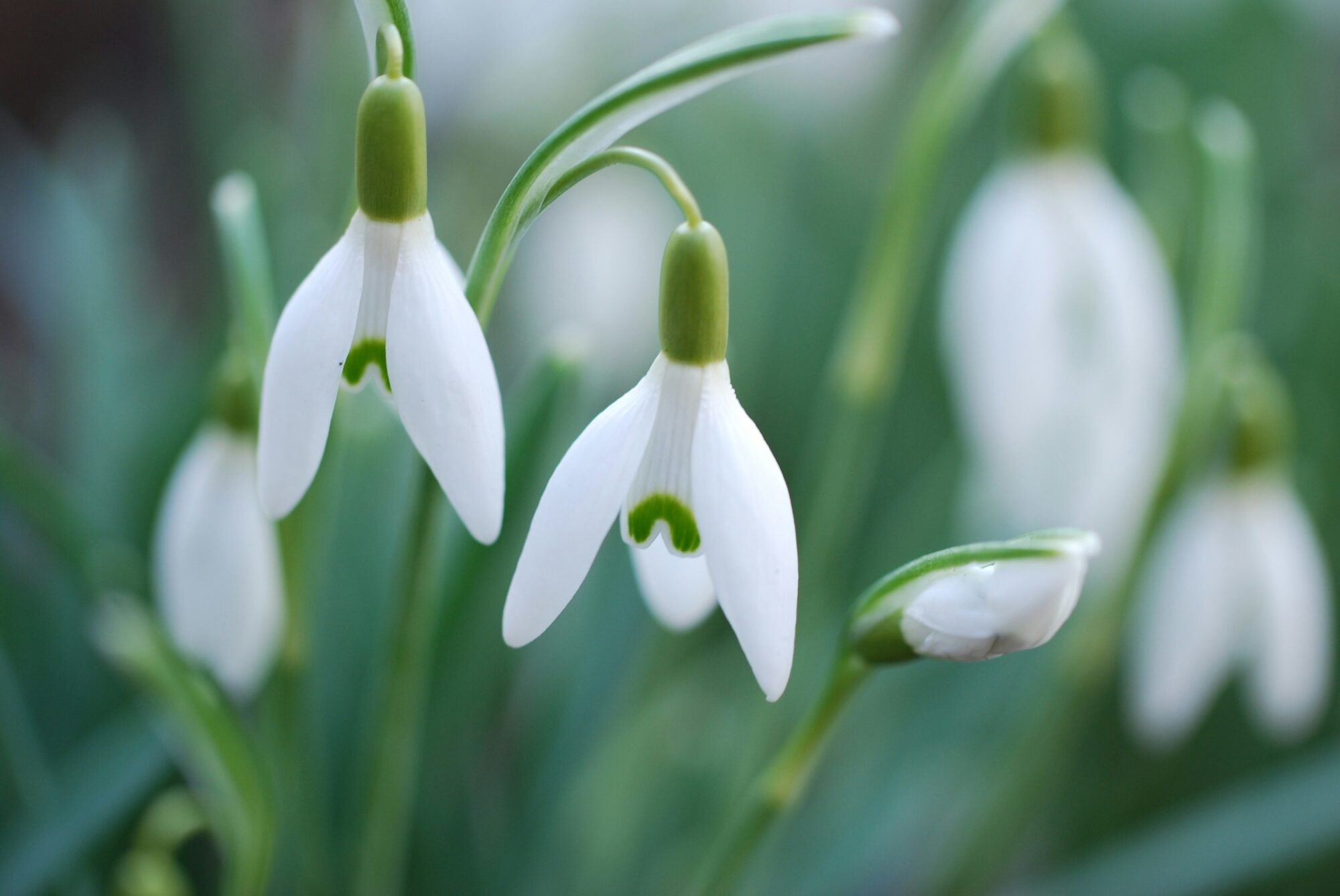
The nights are still long and the air is still cold. Looking out across the landscape around my home, everything looks silent and peaceful. Exactly what I’d expect in the depths of Winter. Colour is long gone- grass hidden beneath mud that has appeared once the snow and frost has melted. Berries are scarce, the birds flitting across my path looking for the last remaining berries in hopes of a meal today. Grey clouds are frequent in the sky, but the sunsets and sunrises, if the sky is clear, is a sight to behold. They hold the promise of light- of hope- and the Spring that will soon come.
I didn’t look closer, not until a small bird, singing to its hearts delight, flitted across my path and landed on a tree next to me. I paused to watch the bird in its search for food, before it flitted off to the next tree.
That was when I saw it.
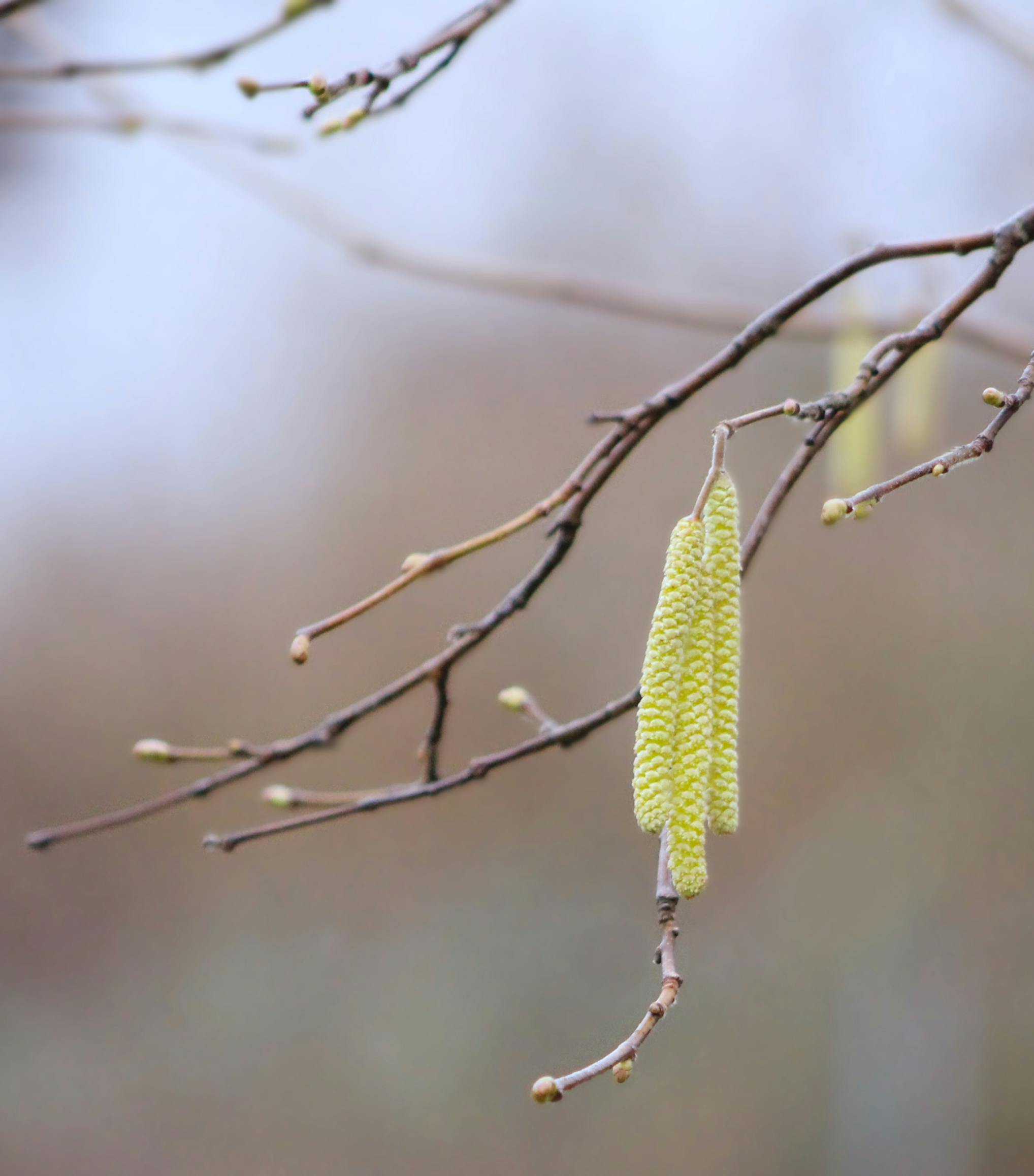
The buds of the tree- the leaves that give the splash of green in late Winter, beginning to swell. My eyes scanned across the branch- another bud, and another. I looked to a different branch- that too, had signs of life returning. My eyes jumped to the next tree, and the next, seeing signs of life returning.
I didn’t need to look at the date- I knew Imbolc was approaching, and Spring was stirring.
Imbolc is the festival that marks this midway point between Winter and Spring. It’s a threshold when we are in neither Spring nor Winter, and yet we’re in both. The depth of Winter has passed, and we are at the edge of Spring- and life is beginning to stir. Imbolc, translating to ‘in the belly’ is a time of hope, light, life, renewal and the promise of what is to come. We celebrate today, honouring the dark and the returning light.
Roots of Imbolc
Imbolc is a Celtic fire festival. Also known as Brighid’s Day, it is a festival still celebrated today in Ireland. Brighid- a Celtic Goddess, became Saint Brighid, which is whom this festival is dedicated to today and is still a time that celebrates the returning light and the first signs of Spring. There are many traditions and customs associated with this day, but for the purpose of my blog post, I’ll be focusing on the Pagan roots of this festival, and the significance it has to me.
Brighid, as you may be able to tell, is central to this festival. Brighid, the Goddess of fire, healing, fertility, poetry- and other things- is who is honoured on this day. She wins in her battle against the Cailleach of Winter, and her green mantle brings forth Spring, allowing the plants to grow again and encouraging animals to prepare for their young.
Imbolc translates as ‘in the belly’ referring to both animals who are carrying their young in their bellies (sheep is the one that spring to mind here- it’s not long before we start seeing lambs!) as well as the potential of life that is held within the belly of the earth, sending shoots up through the ground and bringing life back to the trees.
Seasonal Themes of Imbolc
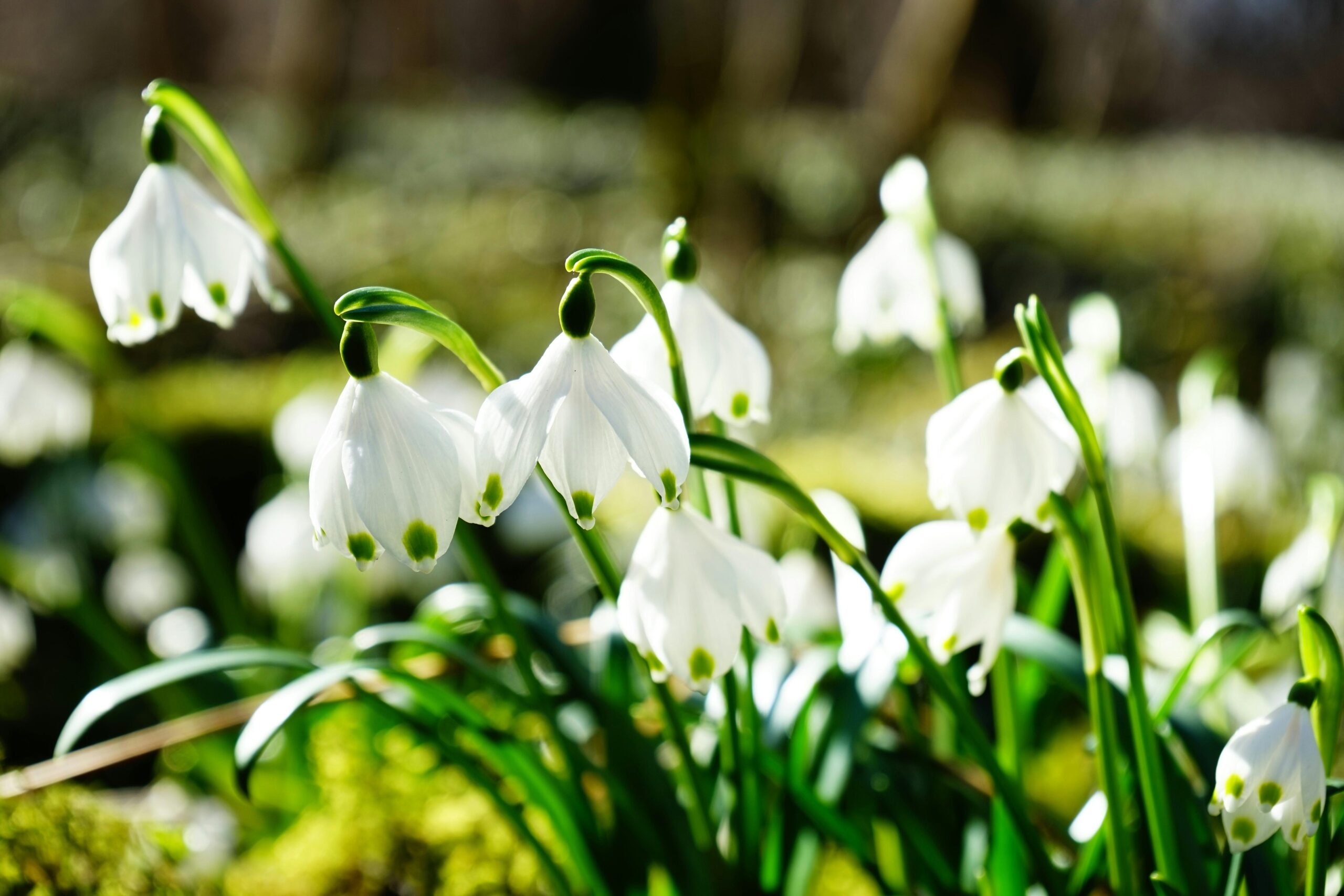
I find Imbolc an exciting time. After the void space of Winter, where everything rests, Imbolc is the tipping point into Spring, and everywhere you look, there is something shifting, changing. Snowdrops are pushing out of the ground, buds are returning on the trees, the ground is getting a little softer. We’re not out of Winter yet- the wind can be bitter, the storms still rage and the snow can still fall, but there’s a promise of life and that the cycle hasn’t stopped. The days are beginning to lengthen more and more, and we can see a physical change in the earth around us as everything responds to the call of Imbolc. I have a word I associated with each of the festivals on the wheel of the year. The Winter Solstice is Stillness, and Imbolc is the Quickening. We don’t see a lot of this happening- as it’s below the surface of the soil, preparing roots and foundations, or in small buds that are seen only up close. There is a shift in the air though- and it’s one of anticipation.
These changes aren’t only in the external, physical landscapes. Your own internal landscapes change during this time, too. We’re stepping out of hibernation- of the stillness- and preparing for the new growth- the Quickening. This is your chance to let go of the past- of the things you wish to leave in Winter and let go, as well as prepare for the coming year, tending to your own inner fire for inspiration, creativity and the promise of the months ahead.
Imbolc Traditions and Rituals
Just like any other festival on the Wheel of the Year, Imbolc has traditions and rituals that you can take part in to celebrate the returning light. Here are some suggestions of traditions, practices and rituals that you could incorporate into your day, weekend or week to celebrate the stirring of Spring.
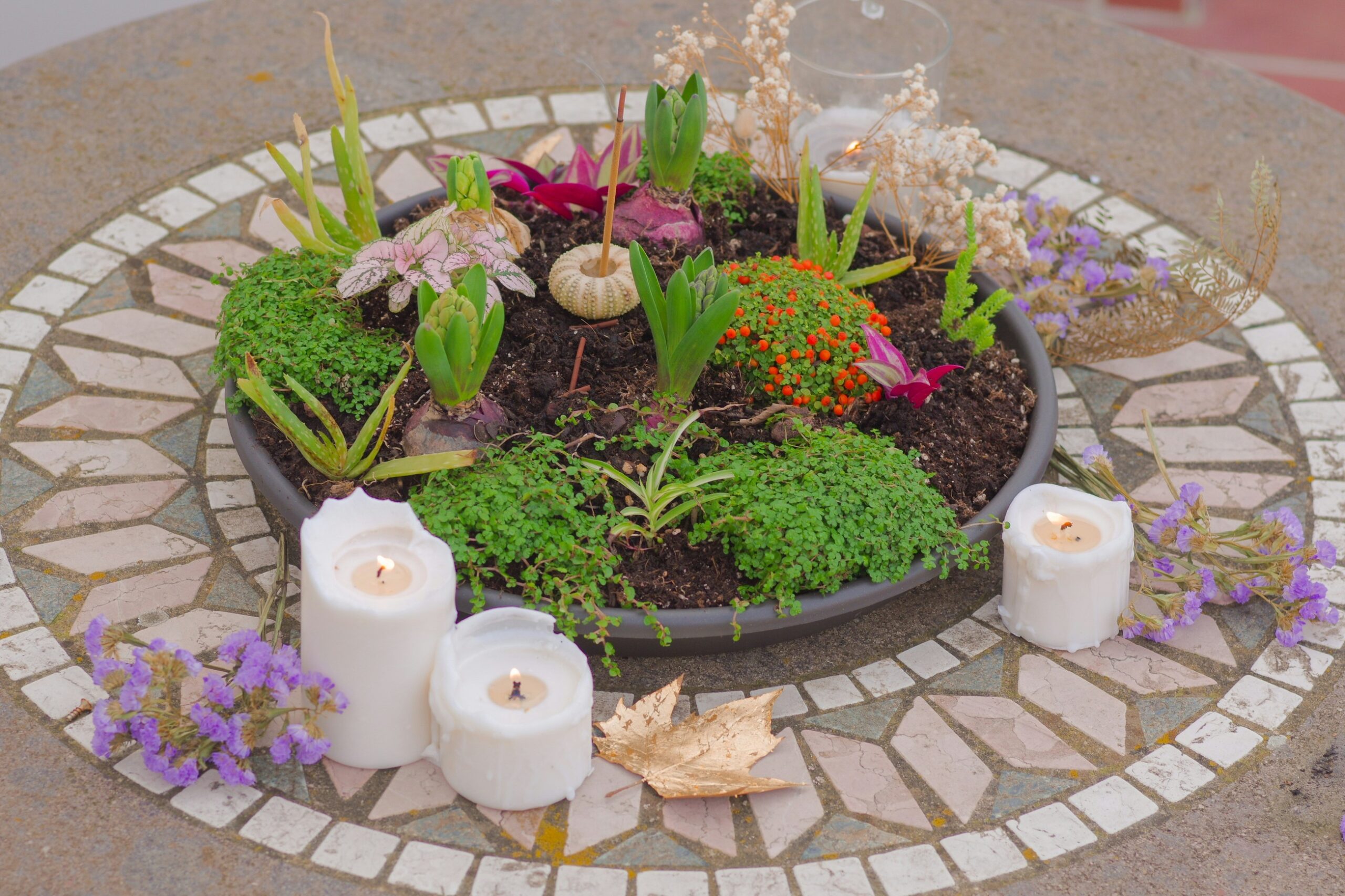
- Lighting Candles to honour Brighid and the returning light.
- Have a seasonal feast. Include dairy or seasonal foods such as milk, butter, cheese, yoghurt, oats, barley, honey, seeds and nuts, root vegetables and foods that are light and comforting (My favourites are rice pudding and cheesecake!)
- A cleansing ritual for self or home.
- Creating a sacred space- or an altar- with symbolism of Imbolc. Early spring flowers, candles and the colours of white, green, blue and silver.
The seasonal transition of Imbolc is a powerful time and there is a lot of wisdom that we can learn from. We’re still in the slowness of Winter, but can begin putting plans in place and preparing both ourselves and our spaces for the coming Spring. As the season of Imbolc brings the strengthening light and warmth, reflect on what this season means to you and where you are at in your own inner seasons. Celebrate this time of renewal in a way that is meaningful to you- simple celebrations that connect with the season as it begins to shift, or elaborate ceremonies that put you deep into the energies of this season. If you have any traditions or rituals that you use to honour and celebrate Imbolc, please share them below!