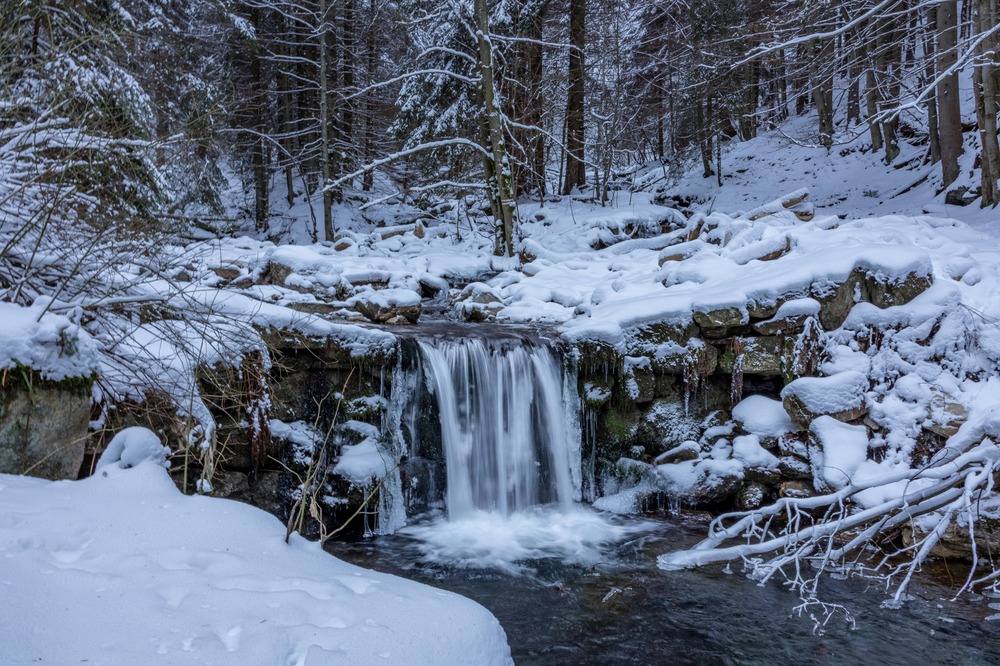
It’s hard not to be enchanted or swept away into the world of mythology when there is frost on the ground. When everything is coated in frost, and it glistens beneath the weak winter sun, it really does look like we’ve stepped into a fairy tale.
My muse delights in this winter wonderland. My blank canvas becomes a journal, a laptop, or even the notes section on my phone where I can allow my muse to write through me, inspired by the land around me that glistens and shines. My imagination kicks in, wondering what lays below this layer of frost and ice- are the early Spring shoots beginning to appear? Do they feel comforted by the ice, or do they find it just as cold as we do? There’s a sense of mystery around it- reminding me that we’re still in the Dark Half of the year, where the days are short, the nights are long and the winter winds are bitter and strong.
I’m not the only one to be inspired to write during the season of Winter. Countless others have also been inspired by the long nights, stark landscapes and the unforgiving world when snow lays upon the ground. Stories and myths can tell us so much about our cultural values, fears and hopes as well as linking us to the season of Winter. When we uncover the essence of the season through storytelling, we unlock the wisdom of it, too.
Winter Myths and Folklore.
Winter is a time of dreaming and also of storytelling. So, let’s explore some of the mythologies and folklore that are rooted into Winter, frost and ice before Spring begins to stir from deep within the earth.
The Snow Queen.
This tale of icy power, resilience and redemption is written by Hans Christian Anderson. It was first published in 1844. In it, we have a magic mirror- belonging to the devil- that can distort the appearance of anything that is reflected on it. Instead of seeing beauty and goodness, it shows the bad and ugly aspects of a person. When the glass is shattered after it falls on its way to heaven, the glass shards scatter, being repurposed for glass panes and even ending up in people’s eyes, enhancing the qualities that the mirror once reflected in the person. When a glass shard embeds itself in the eye and heart of a young boy, Kai, his friend Gerda begins her quest to save him.
Jack Frost.
Jack Frost is a mischievous spirit of Winter and is the one responsible for painting frost on your windows in intricate patterns and bringing the icy weather in Winter. His origins are hard to trace- but several cultures have a winter figure that can fit the description of Jack Frost- Grandfather Frost in Russia, Mrs Holle in Germany, Frostman and Frostwoman in Finland, Frost Man in Japan, etc. The first recorded mention of Jack Frost as a name was in 1732 and his story is believed to be inspired by Old Man Winter- the personification of Winter in Ancient Greece. His depictions range from fairy-like tricksters to a spiteful creature. In some literature, he is also responsible for painting the leaves as they change colour in autumn- giving him the depiction of holding a paint can and brush. Modern interpretations tend to give him a more playful personification of the frost and icy weather we see at this time of year.
Skadi.
The Goddess of Winter from Norse Mythology who hunts in the mountains on skis. She is a frost-giant, married to the sea God Njord. She is closely associated with mountains, ski’s and snowshoes, hunting and of course, Winter. She is depicted as the embodiment of the Scandinavian landscape during the season of Winter- cold, harsh and unforgiving.
The Cailleach.
The ancient Celtic Goddess of Winter and storms that only Winter can bring. She brings the cold weather that only relents when her battle with Brighid- the Goddess of Fire and Spring- is lost and Brighid with her mantle brings the warmer season of Spring. If Imbolc (the beginning of February) is a sunny day, the Cailleach can gather more firewood, extending Winter as she has control over this season. If the weather is not so favourable, Spring will soon arrive.
Themes in Winter Tales.
There are common themes throughout these folklore stories- they speak of survival, resilience, transformation and hidden beauty. Winter, with its harsh beauty, tests our strength as we see the darker days through until the reemergence of Spring once more. Our ancestors knew to prepare for these harder, harsher and darker months, and the memory of that is still ingrained in our psyche. Whilst we have the modern comforts our ancestors did not, Winter is still a hard time for many. The themes that are so poignant in these stories remind us
- that embracing change and endings is a part of the cycle of life.
- that we can find our inner strength in times of moments of hardship or stillness.
- to look for the beauty and wisdom in the quiet, stillness and coldness of Winter.
How to Connect with Winter Folklore.
You can honour these life stories of Winter in a number of ways.
Read the Myths– I have briefly outlined some of the myths associated with Winter above, but give yourself some downtime and read the story in full. If one particularly calls to you- read the myth. Allow yourself the rest and quietness and immerse yourself in the story that you feel drawn to.
Create a Ritual– in these stories you’ll find simple rituals or themes that you can pull into your ordinary, modern life. Light a candle to remind yourself of the hope of Spring and honour the returning light.
Journal– the themes of these stories- of survival, transformation and renewal can resonate with our own lives. Think about how these themes are showing up in your life right now, and journal about it.
There is a richness to these stories that are set in landscapes of snow and ice. They are timeless and resonate with our lives now, just as they did with our ancestors. We’re still in the grips of Winter, so remember to slow down and enjoy the stillness. Explore the magic and mystery of this magical season in your own way, connect with the stories and reflect on how they are present in your own life. If you have a favourite winter myth or tradition, share it with us below.